
Merdeka Special: Why Johor Bahru Is Becoming a Property Hotspot - R&f Princess Cove
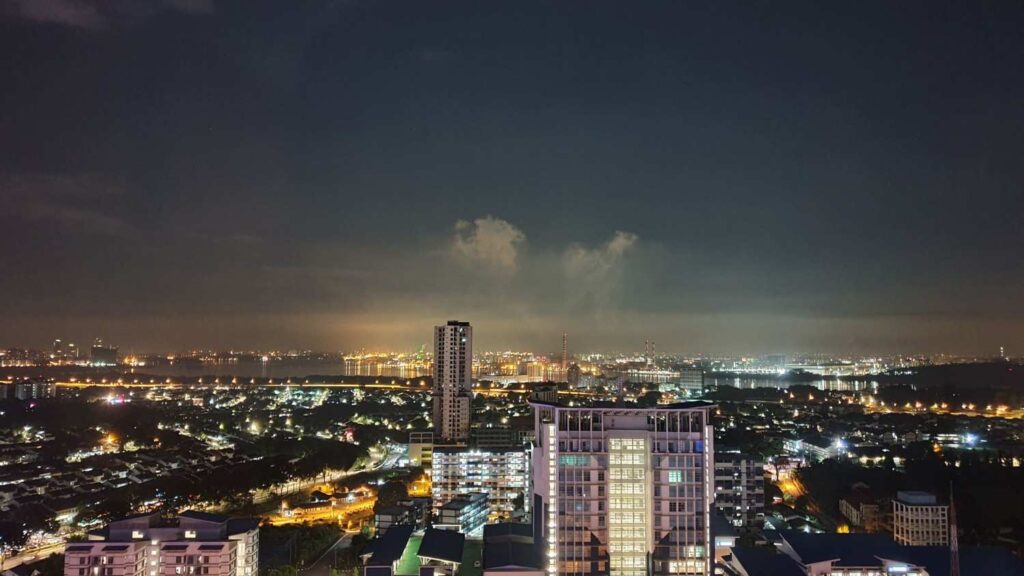
This Merdeka, as Malaysia celebrates another year of independence, Johor Bahru is attracting increasing attention from property buyers and investors. Once seen as a secondary market compared with Kuala Lumpur and the Klang Valley, JB is benefiting from major infrastructure projects, stronger cross-border connectivity and growing economic activity linked to Singapore.
For Singapore buyers and investors looking across the Causeway, these changes make Johor Bahru a market worth watching closely. From the upcoming RTS Link to the Johor-Singapore Special Economic Zone (JS-SEZ), several long-term developments are reshaping the city’s property outlook.
Here’s a look at what’s driving the momentum, and why so many investors are choosing to buy condo in Johor Bahru right now.
1. Johor Is Outpacing the Rest of Malaysia
Johor’s property market has been showing stronger price growth than the Malaysian average. Recent data from Malaysia’s National Property Information Centre (NAPIC), cited by Juwai IQI, showed Johor’s residential property prices rising by 5.3%, compared with 0.7% nationally.
This performance has helped position Johor among Malaysia’s leading property investment markets for 2026. The combination of relatively affordable property prices, cross-border demand, infrastructure investment and economic development is attracting both local and international buyers.
However, growth is not uniform across the state. Location, property type, rental demand and proximity to major transport links remain important factors when assessing individual investment opportunities.
2. The RTS Link Is a Major Catalyst
One of the most significant developments supporting Johor Bahru’s property outlook is the Rapid Transit System (RTS) Link between Bukit Chagar in Johor Bahru and Woodlands North in Singapore.
The cross-border rail system is designed to improve travel between the two cities, with a peak capacity of up to 10,000 passengers per hour in each direction. The RTS Link is targeted to begin passenger service at the end of 2026.
For property buyers, the importance of the RTS extends beyond shorter commuting times. Better connectivity could increase the appeal of neighbourhoods close to the Bukit Chagar station, JB City Centre and the surrounding CIQ area, particularly among Singapore-based workers, frequent travellers and tenants who value convenient cross-border access.
For developments such as R&F Princess Cove, proximity to JB CIQ and accessibility to the Bukit Chagar RTS station make connectivity an important part of the property’s location proposition.
3. The Johor-Singapore Special Economic Zone (JS-SEZ)
The RTS Link is not the only major development changing Johor’s economic outlook. The Johor-Singapore Special Economic Zone (JS-SEZ) is another important factor.
The JS-SEZ is intended to strengthen economic cooperation between Johor and Singapore, attract investment and encourage business activity across multiple sectors. Greater investment and job creation could support population growth and demand for housing in strategically located areas.
This is significant for property investors because sustained economic activity can create a broader base of genuine housing demand. Rather than relying entirely on short-term speculation, areas benefiting from employment growth, transport infrastructure and business investment may have stronger long-term fundamentals.
4. Rental Yields That Actually Work
Rental demand is an important consideration for investors looking at Johor Bahru. Compared with more expensive markets such as Singapore, JB offers a lower entry point for property buyers, while some well-located properties can generate comparatively attractive gross rental yields.
However, investors should avoid judging a property solely by its headline rental yield. Actual returns depend on factors such as purchase price, achievable rent, maintenance fees, vacancy periods, taxes, financing costs and property management expenses.
Location also makes a significant difference. Properties with convenient access to transport links, employment centres, retail amenities and Singapore-facing infrastructure may have a stronger tenant pool than properties in less connected areas.
For Singapore buyers, Johor Bahru’s comparatively lower property prices and proximity to Singapore make Johor Bahru property as an investment an option worth considering for potential rental returns.
5. Where the Growth Is Concentrated
It’s worth noting that Johor’s growth isn’t evenly spread across the state. The strongest performance is concentrated in specific corridors:
- Bukit Chagar / JB City Centre (JBCC): The epicentre of RTS-driven demand, popular with frequent Singapore commuters.
- Iskandar Puteri: Home to established infrastructure including Legoland and EduCity, attractive to mid-range investors.
- Tebrau and Gelang Patah: Emerging corridors benefiting from Second Link access and newer eco-focused developments.
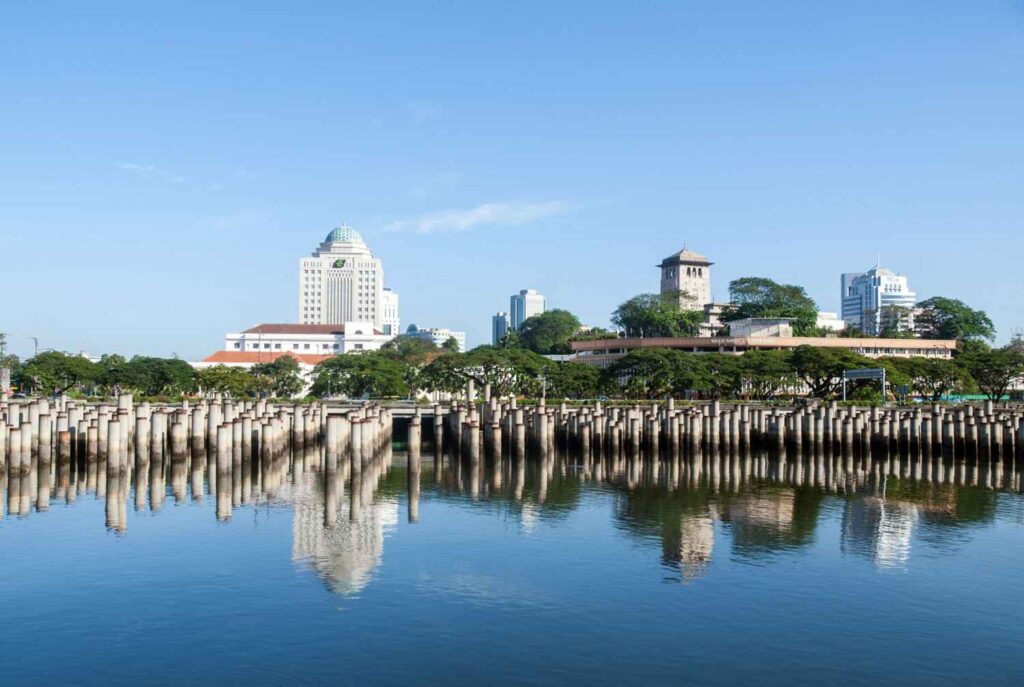
Waterfront and city-centre developments near the CIQ checkpoint and Bukit Chagar RTS station are typically commanding the strongest interest, given their direct relevance to cross-border commuters and renters.
6. What Singapore Buyers Should Know Before Jumping In
A few practical points worth keeping in mind:
- Minimum purchase price: Foreign buyers, including Singaporeans, are generally subject to a state-set minimum purchase price in Johor, with some exceptions depending on zone and property type.
- Higher stamp duty for foreigners: From 1 January 2026, the stamp duty on residential property transfers for non-citizens increased to 8%. Buyers should factor this into their overall acquisition costs
- Location matters more than ever: With growth now concentrated rather than broad-based, choosing the right corridor is far more important than it was during Johor’s earlier, more speculative property cycles.
Given how localized the opportunity is, working with an agent who understands the specific dynamics of each corridor is increasingly valuable, particularly for buyers evaluating waterfront developments near the CIQ and RTS zones, where buying condo in Johor Bahru is drawing significant interest this year.
7. The Long-Term Outlook
Forecasts suggest Johor’s property market could continue growing steadily through the next several years, supported by continued infrastructure delivery, population inflow, and the JS-SEZ’s economic ripple effects. For investors thinking beyond the next Merdeka to the one five years from now, that combination of infrastructure, economic policy, and cross-border demand is difficult to find anywhere else in Malaysia right now.
If you’re exploring Johor Bahru property as an investment this Merdeka season, now is a good time to start narrowing down the corridors and developments that align with your budget and investment goals before the RTS Link opening potentially reshapes pricing across the board.
Key Takeaways
- Johor’s residential property prices have recently outperformed the Malaysian national average.
- The RTS Link is a major infrastructure project expected to begin passenger service at the end of 2026.
- The JS-SEZ could support longer-term investment, business activity and employment growth in Johor.
- Rental yields can be attractive in parts of Johor Bahru, but investors should assess net returns rather than headline yields alone.
- Central JB, Bukit Chagar and areas around the CIQ are particularly relevant for Singapore-focused buyers because of their cross-border connectivity.
- Foreign buyers should understand minimum purchase price requirements, stamp duty and other transaction costs before purchasing.
- Location, rental demand, purchase price and long-term resale potential should all be considered when comparing properties.
Merdeka is a fitting time to reflect on how far Johor has come. For Singapore investors, it may also be an opportunity to look more closely at how infrastructure, economic development and cross-border connectivity could shape Johor Bahru’s property market in the years ahead.
Frequently Asked Questions
Why is Johor Bahru attracting property investors in 2026?
Johor Bahru is benefiting from major infrastructure and economic developments, particularly the RTS Link and Johor-Singapore Special Economic Zone. Its proximity to Singapore and comparatively lower property prices also contribute to investor interest.
How could the RTS Link affect Johor Bahru property?
The RTS Link is expected to improve cross-border connectivity between Johor Bahru and Singapore. Properties near Bukit Chagar, JB City Centre and the CIQ area could benefit from increased accessibility and potential demand from commuters and tenants.
Can Singaporeans buy property in Johor Bahru?
Yes. Singaporeans can purchase eligible property in Johor, subject to Malaysia’s federal requirements and Johor’s state-level rules for foreign buyers. Minimum purchase prices and approval requirements may apply depending on the property.
What costs should Singapore buyers consider when purchasing property in Johor?
In addition to the property price, buyers should consider stamp duty, legal fees, loan-related costs, valuation fees, maintenance charges and applicable state-level fees. From 1 January 2026, the residential property transfer stamp duty for non-citizens increased to 8%.
Why is R&F Princess Cove relevant to Singapore buyers?
R&F Princess Cove is a waterfront development in central Johor Bahru with accessibility to JB CIQ and the Bukit Chagar RTS area. Its location makes it relevant to buyers who prioritise access to Singapore, city-centre amenities and cross-border connectivity.
 English
 Chinese